
Favorite Building Raisings Products For Professional-Grade Results
Learn about trusted equipment and materials designed to deliver precise and reliable building raisings every time.
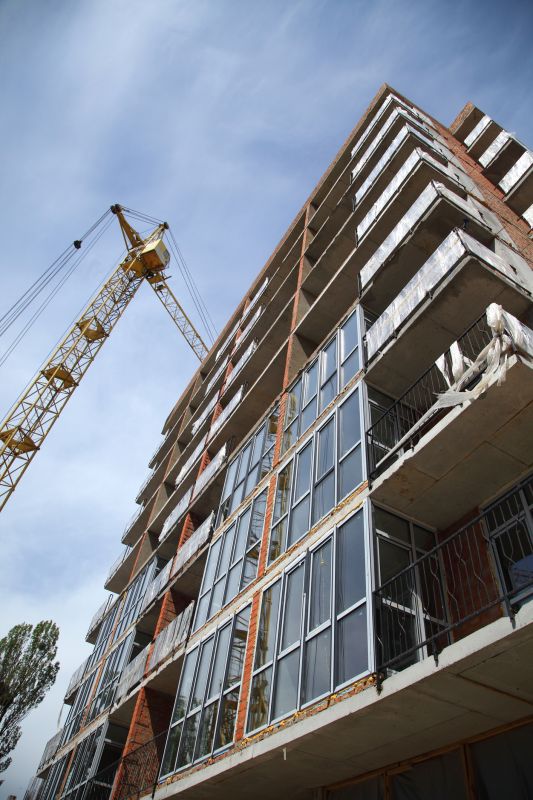 Building raisings are essential components in construction, renovation, and landscaping projects where elevating structures or surfaces is required. These products help create stable, level, and secure foundations for a variety of applications, from residential decks and patios to commercial flooring and garden beds. Selecting the right building raising products can significantly impact the durability and safety of the finished project. They come in numerous forms, each designed to address specific needs such as height adjustment, load distribution, or easy installation.
Top Overall Option
Adjustable Support Pedestals
Adjustable support pedestals are highly versatile and widely used in construction and landscaping projects. They allow for precise height adjustments, making leveling and supporting surfaces like decks, patios, and walkways straightforward. Their durable design often includes corrosion-resistant materials, ensuring longevity in various environments. Easy to install and modify, these pedestals provide a reliable foundation for many building applications.
Types of Products For Building Raisings
Adjustable Support Pedestals
These pedestals can be extended or shortened to achieve precise elevation adjustments, ideal for decks and terraces.
Concrete Block Supports
Solid concrete blocks provide stable, fixed support for foundations, walkways, and retaining walls.
Shims and Spacers
Thin, precise supports used to level surfaces or adjust the height of existing structures.
Lifting Jack Supports
Heavy-duty jacks designed to lift and support heavy loads during construction or renovation.
Plastic Raising Blocks
Lightweight, durable blocks suitable for small projects and temporary support needs.
Metal Support Brackets
Rigid brackets that provide structural support and elevation for framing and other assemblies.
Adjustable Steel Posts
Steel posts with adjustable heights used for fencing, decks, or signage supports.
Foundation Pier Systems
Precast or poured foundation piers designed to elevate and support building loads.
Wooden Shims
Traditional wooden supports used for minor leveling adjustments in carpentry and flooring.
Steel Frame Supports
Heavy-duty steel supports used in framing and structural reinforcement projects.
Adjustable Post Bases
Hardware components that allow for height adjustments of posts and columns.
Rubber Support Pads
Flexible pads that distribute weight and reduce vibration for delicate structures.
Leveling Feet
Small adjustable feet used to level appliances, furniture, or small structures.
Underpinning Supports
Supports used to stabilize and lift existing structures during renovation or repair.
Modular Support Systems
Customizable support modules that can be assembled to fit various project sizes and needs.
Popular Choices
Widely used for creating level surfaces in outdoor decking and paving projects.
Commonly chosen for foundational support in both residential and commercial settings.
Frequently used for fine-tuning levels in cabinetry, flooring, and fixtures.
Popular in renovation projects requiring temporary or permanent load support.
Chosen for lightweight and quick support solutions in small-scale projects.
Commonly used in framing and structural reinforcement for various constructions.
Favored for fencing and structural supports requiring height flexibility.
Preferred for elevating buildings and supporting load-bearing structures.
Traditional choice for minor adjustments in carpentry and flooring projects.
Commonly used for leveling furniture, appliances, and small equipment.
Often selected for vibration reduction and weight distribution in sensitive setups.
Popular hardware for securing and adjusting posts in structural applications.
Frequently used in foundation repair and stabilization projects.
When considering building raisings, it is important to evaluate the load-bearing capacity, material compatibility, and ease of use. Many products are engineered to withstand varying environmental conditions and to provide long-lasting support. Properly chosen raisings can also help prevent issues like uneven settling, water pooling, or structural shifting. Whether for a small DIY project or a large-scale construction, understanding the different types of raising products available can aid in making informed decisions.
In addition to functionality, the versatility of these products allows for customization in height and configuration. Some are adjustable, enabling precise leveling even after installation, while others are fixed in size. The selection process should also consider the compatibility with existing structures, ease of installation, and maintenance requirements. With a broad range of options available, homeowners and builders can find solutions tailored to their specific project needs, ensuring safety and stability throughout the lifespan of the construction.
Overall, investing in quality building raising products can contribute to the structural integrity and longevity of various constructions. Proper planning and selection are crucial to achieving optimal results. From foundational supports to surface elevators, the right products can make a significant difference in the success of your building or renovation project.
Key Buying Considerations
- Load capacity and weight support specifications to ensure safety.
- Material durability and resistance to environmental factors like moisture and corrosion.
- Adjustability features for precise height customization.
- Ease of installation and whether tools or professional help are needed.
- Compatibility with existing structures or surfaces.
- Size and dimensions to match project requirements.
- Long-term stability and whether the product is designed for permanent or temporary support.
- Cost and budget considerations relative to project scope.
- Availability of accessories or replacement parts for maintenance.
- Compliance with relevant building codes and standards.
- Weight and portability if frequent repositioning is anticipated.
- Surface compatibility to prevent damage or slipping.
- Ease of disassembly or modification if project plans change.
- Environmental conditions where the product will be used, such as exposure to moisture or chemicals.
- Brand reputation and customer reviews for reliability insights.